
shared some additional specifications that give some insight into how the headset will work.

Concept render by Ian Zelbo

Each of the two displays will measure in at 1.41 inches diagonally, with Apple aiming for over 5000 nits of brightness and 4,000 pixels per inch. Unfortunately, AR/VR display specs used in headsets from competitors like Sony and Meta aren't generally advertised beyond resolution and pixels per inch, so it's difficult to make a direct comparison, but the information from Young does provide some context.

With ~5000 nits brightness or more, the AR/VR headset from Apple would support HDR or high dynamic range content, which is not typical for current VR headsets on the market. The Meta Quest 2, for example, maxes out around 100 nits of brightness and it does not offer HDR, and the HoloLens 2 offers 500 nits brightness. Sony's PSVR 2 headset has around 265 nits of brightness, and it does have an advertised HDR feature when connected to an HDR display.

You want more, I will give you more: Micro OLED specs for Apple's AR/VR headset:
1.41" in diagonal
4000 PPI
>5000 nits of brightness

— Ross Young (@DSCCRoss) May 30, 2023

According to Young, the 5000 nits likely refers to peak brightness, which means that it won't blind users, but will instead provide superior contrast, brighter colors, and better highlights than other headsets that are available today. For SDR displays, peak brightness is often a reference to how well a display will perform in rooms with bright lighting as it is akin to maximum brightness, but for HDR displays, it's a metric of how well a display depicts color and contrast.

High-end TVs offer somewhere around 2,000 to 5,000 nits, for comparison. Samsung, for example, has a 98-inch TV that is able to reach 5,000 nits, along with Neo QLED TVs that offer 4,000 nits peak brightness. Samsung advertises these TVs as having "stunning, accurate color detail and an extraordinary range of contrast, creating a beyond-life-like experience."

Meta CEO Mark Zuckerberg in 2022 showed off a "Starbursts" VR headset prototype able to hit 20,000 nits of brightness, but it was enormous, not wearable on the head, and not technology that Meta is able to implement as of yet.

If Apple hits that 5000+ nits brightness target, its headset will offer a display experience that competitors are unable to match, and it will also set the stage for future AR glasses. Augmented reality glasses need high brightness to mitigate the light from the sun and other light sources. At lower brightness levels, the AR content that overlays the real world view can be washed out.

Magic Leap 2, one of the more well-known augmented reality headsets, features brightness ranging from 20 nits to 2000 nits.

The 8K resolution offered by Apple's AR/VR headset will be superior to headsets from Meta and other companies, including Meta's highest-end Quest Pro 2. The Quest Pro 2 has a resolution of 1800 x 1920 pixels per eye and around 1200 pixels per inch as Meta is using LCD display technology.

The high-end displays that Apple has created for the AR/VR headset are rumored to be the most expensive component and a major contributor to the expected ~$3,000 price. At $3,000, Apple's AR/VR headset will be one of the more expensive virtual reality headsets on the market, though it will be competitive in price with AR-based products like the Magic Leap 2 and the HoloLens 2.

More information on what to expect from Apple's AR/VR headset can be found in our dedicated roundup.
Related Roundup: AR/VR Headset
Tag: Ross Young
Related Forum: Apple Glasses, AR and VR

This article, "Apple's AR/VR Headset Display Specs: 5000+ Nits Brightness for HDR, 1.41-Inch Diagonal Display and More" first appeared on MacRumors.com

Discuss this article in our forums
shared some additional specifications that give some insight into how the headset will work.

Concept render by Ian Zelbo

Each of the two displays will measure in at 1.41 inches diagonally, with Apple aiming for over 5000 nits of brightness and 4,000 pixels per inch. Unfortunately, AR/VR display specs used in headsets from competitors like Sony and Meta aren't generally advertised beyond resolution and pixels per inch, so it's difficult to make a direct comparison, but the information from Young does provide some context.

With ~5000 nits brightness or more, the AR/VR headset from Apple would support HDR or high dynamic range content, which is not typical for current VR headsets on the market. The Meta Quest 2, for example, maxes out around 100 nits of brightness and it does not offer HDR, and the HoloLens 2 offers 500 nits brightness. Sony's PSVR 2 headset has around 265 nits of brightness, and it does have an advertised HDR feature when connected to an HDR display.


According to Young, the 5000 nits likely refers to peak brightness, which means that it won't blind users, but will instead provide superior contrast, brighter colors, and better highlights than other headsets that are available today. For SDR displays, peak brightness is often a reference to how well a display will perform in rooms with bright lighting as it is akin to maximum brightness, but for HDR displays, it's a metric of how well a display depicts color and contrast.

High-end TVs offer somewhere around 2,000 to 5,000 nits, for comparison. Samsung, for example, has a 98-inch TV that is able to reach 5,000 nits, along with Neo QLED TVs that offer 4,000 nits peak brightness. Samsung advertises these TVs as having "stunning, accurate color detail and an extraordinary range of contrast, creating a beyond-life-like experience."

Meta CEO Mark Zuckerberg in 2022 showed off a "Starbursts" VR headset prototype able to hit 20,000 nits of brightness, but it was enormous, not wearable on the head, and not technology that Meta is able to implement as of yet.

If Apple hits that 5000+ nits brightness target, its headset will offer a display experience that competitors are unable to match, and it will also set the stage for future AR glasses. Augmented reality glasses need high brightness to mitigate the light from the sun and other light sources. At lower brightness levels, the AR content that overlays the real world view can be washed out.

Magic Leap 2, one of the more well-known augmented reality headsets, features brightness ranging from 20 nits to 2000 nits.

The 8K resolution offered by Apple's AR/VR headset will be superior to headsets from Meta and other companies, including Meta's highest-end Quest Pro 2. The Quest Pro 2 has a resolution of 1800 x 1920 pixels per eye and around 1200 pixels per inch as Meta is using LCD display technology.

The high-end displays that Apple has created for the AR/VR headset are rumored to be the most expensive component and a major contributor to the expected ~$3,000 price. At $3,000, Apple's AR/VR headset will be one of the more expensive virtual reality headsets on the market, though it will be competitive in price with AR-based products like the Magic Leap 2 and the HoloLens 2.

More information on what to expect from Apple's AR/VR headset can be found in our dedicated roundup.
Related Roundup: AR/VR Headset
Tag: Ross Young
Related Forum: Apple Glasses, AR and VR

This article, "Apple's AR/VR Headset Display Specs: 5000+ Nits Brightness for HDR, 1.41-Inch Diagonal Display and More" first appeared on MacRumors.com

Discuss this article in our forums
shared some additional specifications that give some insight into how the headset will work.

Concept render by Ian Zelbo

Each of the two displays will measure in at 1.41 inches diagonally, with Apple aiming for over 5000 nits of brightness and 4,000 pixels per inch. Unfortunately, AR/VR display specs used in headsets from competitors like Sony and Meta aren't generally advertised beyond resolution and pixels per inch, so it's difficult to make a direct comparison, but the information from Young does provide some context.

With ~5000 nits brightness or more, the AR/VR headset from Apple would support HDR or high dynamic range content, which is not typical for current VR headsets on the market. The Meta Quest 2, for example, maxes out around 100 nits of brightness and it does not offer HDR, and the HoloLens 2 offers 500 nits brightness. Sony's PSVR 2 headset has around 265 nits of brightness, and it does have an advertised HDR feature when connected to an HDR display.


According to Young, the 5000 nits likely refers to peak brightness, which means that it won't blind users, but will instead provide superior contrast, brighter colors, and better highlights than other headsets that are available today. For SDR displays, peak brightness is often a reference to how well a display will perform in rooms with bright lighting as it is akin to maximum brightness, but for HDR displays, it's a metric of how well a display depicts color and contrast.

High-end TVs offer somewhere around 2,000 to 5,000 nits, for comparison. Samsung, for example, has a 98-inch TV that is able to reach 5,000 nits, along with Neo QLED TVs that offer 4,000 nits peak brightness. Samsung advertises these TVs as having "stunning, accurate color detail and an extraordinary range of contrast, creating a beyond-life-like experience."

Meta CEO Mark Zuckerberg in 2022 showed off a "Starbursts" VR headset prototype able to hit 20,000 nits of brightness, but it was enormous, not wearable on the head, and not technology that Meta is able to implement as of yet.

If Apple hits that 5000+ nits brightness target, its headset will offer a display experience that competitors are unable to match, and it will also set the stage for future AR glasses. Augmented reality glasses need high brightness to mitigate the light from the sun and other light sources. At lower brightness levels, the AR content that overlays the real world view can be washed out.

Magic Leap 2, one of the more well-known augmented reality headsets, features brightness ranging from 20 nits to 2000 nits.

The 8K resolution offered by Apple's AR/VR headset will be superior to headsets from Meta and other companies, including Meta's highest-end Quest Pro 2. The Quest Pro 2 has a resolution of 1800 x 1920 pixels per eye and around 1200 pixels per inch as Meta is using LCD display technology.

The high-end displays that Apple has created for the AR/VR headset are rumored to be the most expensive component and a major contributor to the expected ~$3,000 price. At $3,000, Apple's AR/VR headset will be one of the more expensive virtual reality headsets on the market, though it will be competitive in price with AR-based products like the Magic Leap 2 and the HoloLens 2.

More information on what to expect from Apple's AR/VR headset can be found in our dedicated roundup.
Related Roundup: AR/VR Headset

This article, "Apple's AR/VR Headset Display Specs: 5000+ Nits Brightness for HDR, 1.41-Inch Diagonal Display and More" first appeared on MacRumors.com

Discuss this article in our forums
shared some additional specifications that give some insight into how the headset will work.

Concept render by Ian Zelbo

Each of the two displays will measure in at 1.41 inches diagonally, with Apple aiming for over 5000 nits of brightness and 4,000 pixels per inch. Unfortunately, AR/VR display specs used in headsets from competitors like Sony and Meta aren't generally advertised beyond resolution and pixels per inch, so it's difficult to make a direct comparison, but the information from Young does provide some context.

With ~5000 nits brightness or more, the AR/VR headset from Apple would support HDR or high dynamic range content, which is not typical for current VR headsets on the market. The Meta Quest 2, for example, maxes out around 100 nits of brightness and it does not offer HDR, and the HoloLens 2 offers 500 nits brightness. Sony's PSVR 2 headset has around 265 nits of brightness, and it does have an advertised HDR feature when connected to an HDR display.


According to Young, the 5000 nits likely refers to peak brightness, which means that it won't blind users, but will instead provide superior contrast, brighter colors, and better highlights than other headsets that are available today. For SDR displays, peak brightness is often a reference to how well a display will perform in rooms with bright lighting as it is akin to maximum brightness, but for HDR displays, it's a metric of how well a display depicts color and contrast.

High-end TVs offer somewhere around 2,000 to 5,000 nits, for comparison. Samsung, for example, has a 98-inch TV that is able to reach 5,000 nits, along with Neo QLED TVs that offer 4,000 nits peak brightness. Samsung advertises these TVs as having "stunning, accurate color detail and an extraordinary range of contrast, creating a beyond-life-like experience."

Meta CEO Mark Zuckerberg in 2022 showed off a "Starbursts" VR headset prototype able to hit 20,000 nits of brightness, but it was enormous, not wearable on the head, and not technology that Meta is able to implement as of yet.

If Apple hits that 5000+ nits brightness target, its headset will offer a display experience that competitors are unable to match, and it will also set the stage for future AR glasses. Augmented reality glasses need high brightness to mitigate the light from the sun and other light sources. At lower brightness levels, the AR content that overlays the real world view can be washed out.

Magic Leap 2, one of the more well-known augmented reality headsets, features brightness ranging from 20 nits to 2000 nits.

The 8K resolution offered by Apple's AR/VR headset will be superior to headsets from Meta and other companies, including Meta's highest-end Quest Pro 2. The Quest Pro 2 has a resolution of 1800 x 1920 pixels per eye and around 1200 pixels per inch as Meta is using LCD display technology.

The high-end displays that Apple has created for the AR/VR headset are rumored to be the most expensive component and a major contributor to the expected ~$3,000 price. At $3,000, Apple's AR/VR headset will be one of the more expensive virtual reality headsets on the market, though it will be competitive in price with AR-based products like the Magic Leap 2 and the HoloLens 2.

More information on what to expect from Apple's AR/VR headset can be found in our dedicated roundup.
Related Roundup: AR/VR Headset

This article, "Apple's AR/VR Headset Display Specs: 5000+ Nits Brightness for HDR, 1.41-Inch Diagonal Display and More" first appeared on MacRumors.com

Discuss this article in our forums
The AR/VR headset that Apple plans to introduce at the Worldwide Developers Conference next week has long been rumored to feature 4K micro OLED displays with an 8K total resolution,

The AR/VR headset that Apple plans to introduce at the Worldwide Developers Conference next week has long been rumored to feature 4K micro OLED displays with an 8K total resolution, but notable display analyst Ross Young today shared some additional specifications that give some insight into how the headset will work.
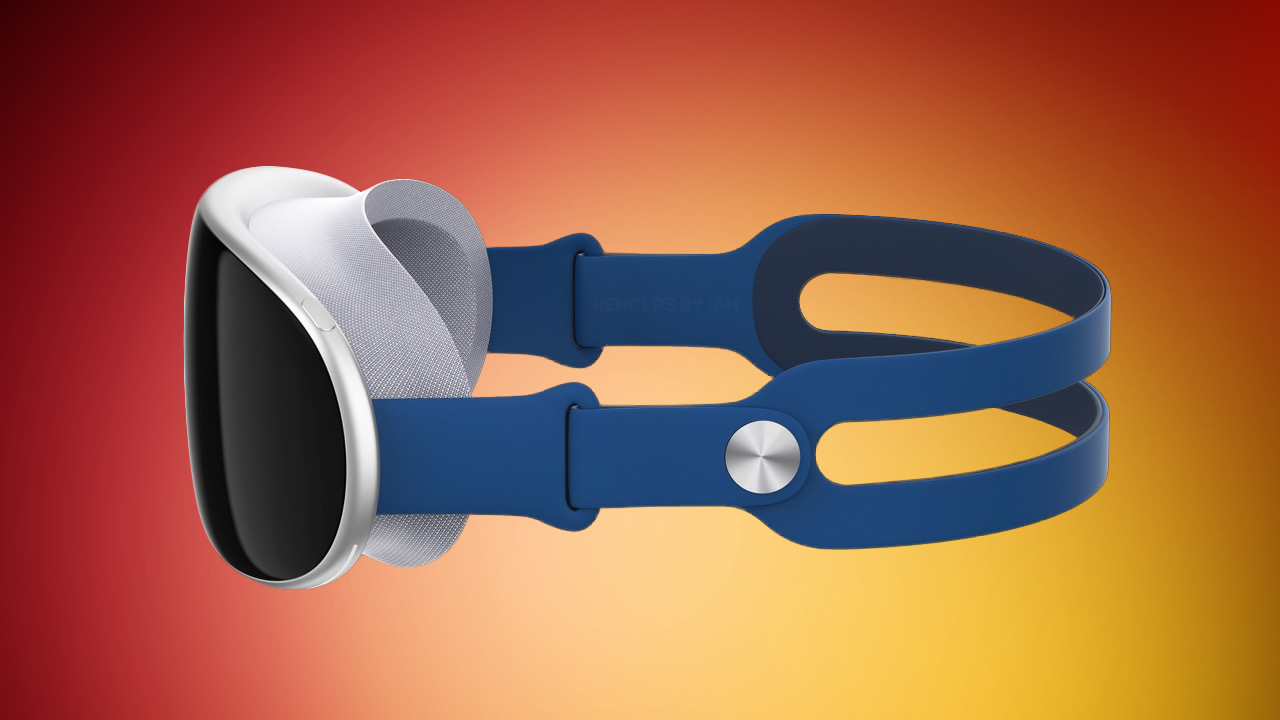
Concept render by Ian Zelbo

Each of the two displays will measure in at 1.41 inches diagonally, with Apple aiming for over 5000 nits of brightness and 4,000 pixels per inch. Unfortunately, AR/VR display specs used in headsets from competitors like Sony and Meta aren’t generally advertised beyond resolution and pixels per inch, so it’s difficult to make a direct comparison, but the information from Young does provide some context.

With ~5000 nits brightness or more, the AR/VR headset from Apple would support HDR or high dynamic range content, which is not typical for current VR headsets on the market. The Meta Quest 2, for example, maxes out around 100 nits of brightness and it does not offer HDR, and the HoloLens 2 offers 500 nits brightness. Sony’s PSVR 2 headset has around 265 nits of brightness, and it does have an advertised HDR feature when connected to an HDR display.

According to Young, the 5000 nits likely refers to peak brightness, which means that it won’t blind users, but will instead provide superior contrast, brighter colors, and better highlights than other headsets that are available today. For SDR displays, peak brightness is often a reference to how well a display will perform in rooms with bright lighting as it is akin to maximum brightness, but for HDR displays, it’s a metric of how well a display depicts color and contrast.

High-end TVs offer somewhere around 2,000 to 5,000 nits, for comparison. Samsung, for example, has a 98-inch TV that is able to reach 5,000 nits, along with Neo QLED TVs that offer 4,000 nits peak brightness. Samsung advertises these TVs as having “stunning, accurate color detail and an extraordinary range of contrast, creating a beyond-life-like experience.”

Meta CEO Mark Zuckerberg in 2022 showed off a “Starbursts” VR headset prototype able to hit 20,000 nits of brightness, but it was enormous, not wearable on the head, and not technology that Meta is able to implement as of yet.

If Apple hits that 5000+ nits brightness target, its headset will offer a display experience that competitors are unable to match, and it will also set the stage for future AR glasses. Augmented reality glasses need high brightness to mitigate the light from the sun and other light sources. At lower brightness levels, the AR content that overlays the real world view can be washed out.

Magic Leap 2, one of the more well-known augmented reality headsets, features brightness ranging from 20 nits to 2000 nits.

The 8K resolution offered by Apple’s AR/VR headset will be superior to headsets from Meta and other companies, including Meta’s highest-end Quest Pro 2. The Quest Pro 2 has a resolution of 1800 x 1920 pixels per eye and around 1200 pixels per inch as Meta is using LCD display technology.

The high-end displays that Apple has created for the AR/VR headset are rumored to be the most expensive component and a major contributor to the expected ~$3,000 price. At $3,000, Apple’s AR/VR headset will be one of the more expensive virtual reality headsets on the market, though it will be competitive in price with AR-based products like the Magic Leap 2 and the HoloLens 2.

More information on what to expect from Apple’s AR/VR headset can be found in our dedicated roundup.

Related Roundup: AR/VR Headset

This article, "Apple's AR/VR Headset Display Specs: 5000+ Nits Brightness for HDR, 1.41-Inch Diagonal Display and More" first appeared on MacRumors.com

Discuss this article in our forums


You may also be interested in this

Upcoming Apple Vision Pro…

Apple is working on a next-generation version of the Vision Pro with an updated chip, and it could include a new Dual Knit Band that provides a more comfortable fit.

Apple Rumored to Announce…

Apple is making progress on new iPad and MacBook models, but Bloomberg's Mark Gurman believes that the release of these devices "won't happen this month." "More often than not, the

Apple @ Work: SAP reports…

Apple @ Work is brought to you by Kolide, the device trust solution that ensures that if a device isn’t secure, it can’t access your cloud apps.  If you have Okta, Kolide can

Apple’s 2026 Foldab…

Apple is making significant headway on its long-rumored foldable iPhone, with a new report suggesting the company has achieved a major breakthrough by effectively eliminating the screen crease that plagues

watchOS 9: Optimizing Sle…

Apple's watchOS has become a cornerstone of health and wellness for smartwatch users worldwide. With each iteration, Apple refines the experience, offering deeper insights and more actionable data. The much-anticipated

‘Monarch: Legacy of Monst…

ScreenTimes‘ Sigmund Judge reports this week that the live-action Godzilla series currently filming is being shot with 3D cameras in Apple’s Spatial Video for the Apple Vision Pro. Apple TV+

Every Display Upgrade Rum…

Apple's next-generation iPhone 17 lineup may bring some of the most significant display improvements we've seen in recent years. While the iPhone 17 series isn't expected until late 2025, multiple

The biggest features miss…

After years of rumors, Apple has delivered and shipped its professional video editing suite on iPad. While the app is incredibly full-featured, there are some big holes for pro workflows.Final
X

A whimsical homage to the days in black and white, celebrating the magic of Mac OS. Dress up your blog with retro, chunky-grade pixellated graphics to evoke some serious computer nostalgia. Supports a custom menu, custom header image, custom background, two footer widget areas, and a full-width page template. I updated Stuart Brown's 2011 masterpiece to meet the needs of the times, made it responsive , got dark mode, custom search widget and more.You can download it from tigaman.com, where you can also find more useful code snippets and plugins to get even more out of wordpress.