
stopped working for some people, and the company confirmed that Apple was "deliberately blocking iMessages from being delivered" to approximately five percent of Beeper Mini users.


At the time, Beeper Mini said that uninstalling and reinstalling Beeper Mini could serve as a workaround while a fix was developed. As of now, issues with the Beeper Cloud service have been resolved, but some Beeper Mini users are still having connectivity issues.

On Twitter, Beeper's developers have been complaining about Apple's continued efforts to block the app, even though Apple made it clear that Beeper Mini was not going to be allowed.

"It's super annoying that Apple is penalizing their own customers and Android users who just want secure and encrypted chats," says a message on the Beeper account. "We understand if you choose to uninstall Beeper Mini at this time."

Beeper Mini launched last week, promising to bring a full iMessage experience to Android users. The app used iMessage reverse engineering to function, registering the phone numbers of Android users with Apple's own iMessage servers.

Android users were able to have "blue bubbles" in conversations with iMessage users, and all iMessage features worked, such as read receipts, typing indicators, reactions, and more. Beeper Mini essentially worked by making Android devices look like they were Apple devices, and it didn't take long for Apple to put a stop to it.

Three days after Beeper Mini launched, the app quit working, and Apple confirmed that it shut the app down. Apple said that it blocked Beeper Mini from exploiting fake credentials to gain access to iMessage, as this posed "significant risks to user security and privacy."
At Apple, we build our products and services with industry-leading privacy and security technologies designed to give users control of their data and keep personal information safe. We took steps to protect our users by blocking techniques that exploit fake credentials in order to gain access to iMessage. These techniques posed significant risks to user security and privacy, including the potential for metadata exposure and enabling unwanted messages, spam, and phishing attacks. We will continue to make updates in the future to protect our users.

In a blog post, Beeper Mini's development team said that it would work to restore service, while also criticizing Apple for the decision. The team claims that iPhone customers have "less security and privacy than before" because Beeper Mini encrypted messages sent between ‌iPhone‌ and Android devices.
We deeply object to the allegation that Beeper Mini 'poses significant risks to user security and privacy'. This is completely untrue. As we explained above, the opposite is actually true. Beeper Mini increases the security and privacy of both Android and iPhone customers. To prove this, we published a detailed blog post about how the app keeps data secure and private. Beeper Mini is end-to-end encrypted.

The Beeper Mini team says that it has not spoken with Apple directly. On Monday of this week, Beeper developers did find a way to get the Android app working again, but with some major changes. The updated version of the app requires users to sign in with an Apple ID (not required with the prior version), and it only supports sending and receiving messages through an email address instead of a phone number.

The team behind Beeper Mini is still working to find a way to get phone numbers to work with iMessage again, but Apple has blocked the backdoor that was used to register Android numbers as fake Apple users.

Many of the complaints about security and functionality from the Beeper Mini team will be solved with Rich Communication Services, or RCS, which Apple plans to adopt next year. ‌RCS‌ will be used for chats between ‌iPhone‌ and Android users, and it includes support for high quality video and images, emoji reactions, typing indicators, read receipts, and more.

If Beeper Mini does indeed find a way to get phone numbers to work and to keep Beeper Mini running, it likely will not be long before Apple puts a stop to it again. Apple has made it clear that it does not plan to willingly allow Beeper Mini to use iMessage servers.

Beeper founder Eric Migicovsky said on Twitter that Tim Sweeney and Epic "won this week against Big Tech," referencing the Epic v. Google trial, and that Beeper Mini has a chance. "We're not giving up," he wrote.
Tags: Android, iMessage

This article, "Beeper Mini on Continued Outages: 'It's Super Annoying That Apple is Penalizing Their Own Customers'" first appeared on MacRumors.com

Discuss this article in our forums
stopped working for some people, and the company confirmed that Apple was "deliberately blocking iMessages from being delivered" to approximately five percent of Beeper Mini users.


At the time, Beeper Mini said that uninstalling and reinstalling Beeper Mini could serve as a workaround while a fix was developed. As of now, issues with the Beeper Cloud service have been resolved, but some Beeper Mini users are still having connectivity issues.

On Twitter, Beeper's developers have been complaining about Apple's continued efforts to block the app, even though Apple made it clear that Beeper Mini was not going to be allowed.

"It's super annoying that Apple is penalizing their own customers and Android users who just want secure and encrypted chats," says a message on the Beeper account. "We understand if you choose to uninstall Beeper Mini at this time."

Beeper Mini launched last week, promising to bring a full iMessage experience to Android users. The app used iMessage reverse engineering to function, registering the phone numbers of Android users with Apple's own iMessage servers.

Android users were able to have "blue bubbles" in conversations with iMessage users, and all iMessage features worked, such as read receipts, typing indicators, reactions, and more. Beeper Mini essentially worked by making Android devices look like they were Apple devices, and it didn't take long for Apple to put a stop to it.

Three days after Beeper Mini launched, the app quit working, and Apple confirmed that it shut the app down. Apple said that it blocked Beeper Mini from exploiting fake credentials to gain access to iMessage, as this posed "significant risks to user security and privacy."
At Apple, we build our products and services with industry-leading privacy and security technologies designed to give users control of their data and keep personal information safe. We took steps to protect our users by blocking techniques that exploit fake credentials in order to gain access to iMessage. These techniques posed significant risks to user security and privacy, including the potential for metadata exposure and enabling unwanted messages, spam, and phishing attacks. We will continue to make updates in the future to protect our users.

In a blog post, Beeper Mini's development team said that it would work to restore service, while also criticizing Apple for the decision. The team claims that iPhone customers have "less security and privacy than before" because Beeper Mini encrypted messages sent between ‌iPhone‌ and Android devices.
We deeply object to the allegation that Beeper Mini 'poses significant risks to user security and privacy'. This is completely untrue. As we explained above, the opposite is actually true. Beeper Mini increases the security and privacy of both Android and iPhone customers. To prove this, we published a detailed blog post about how the app keeps data secure and private. Beeper Mini is end-to-end encrypted.

The Beeper Mini team says that it has not spoken with Apple directly. On Monday of this week, Beeper developers did find a way to get the Android app working again, but with some major changes. The updated version of the app requires users to sign in with an Apple ID (not required with the prior version), and it only supports sending and receiving messages through an email address instead of a phone number.

The team behind Beeper Mini is still working to find a way to get phone numbers to work with iMessage again, but Apple has blocked the backdoor that was used to register Android numbers as fake Apple users.

Many of the complaints about security and functionality from the Beeper Mini team will be solved with Rich Communication Services, or RCS, which Apple plans to adopt next year. ‌RCS‌ will be used for chats between ‌iPhone‌ and Android users, and it includes support for high quality video and images, emoji reactions, typing indicators, read receipts, and more.

If Beeper Mini does indeed find a way to get phone numbers to work and to keep Beeper Mini running, it likely will not be long before Apple puts a stop to it again. Apple has made it clear that it does not plan to willingly allow Beeper Mini to use iMessage servers.

Beeper founder Eric Migicovsky said on Twitter that Tim Sweeney and Epic "won this week against Big Tech," referencing the Epic v. Google trial, and that Beeper Mini has a chance. "We're not giving up," he wrote.
Tags: Android, iMessage

This article, "Beeper Mini on Continued Outages: 'It's Super Annoying That Apple is Penalizing Their Own Customers'" first appeared on MacRumors.com

Discuss this article in our forums
stopped working for some people, and the company confirmed that Apple was "deliberately blocking iMessages from being delivered" to approximately five percent of Beeper Mini users.


At the time, Beeper Mini said that uninstalling and reinstalling Beeper Mini could serve as a workaround while a fix was developed. As of now, issues with the Beeper Cloud service have been resolved, but some Beeper Mini users are still having connectivity issues.

On Twitter, Beeper's developers have been complaining about Apple's continued efforts to block the app, even though Apple made it clear that Beeper Mini was not going to be allowed.

"It's super annoying that Apple is penalizing their own customers and Android users who just want secure and encrypted chats," says a message on the Beeper account. "We understand if you choose to uninstall Beeper Mini at this time."

Beeper Mini launched last week, promising to bring a full iMessage experience to Android users. The app used iMessage reverse engineering to function, registering the phone numbers of Android users with Apple's own iMessage servers.

Android users were able to have "blue bubbles" in conversations with iMessage users, and all iMessage features worked, such as read receipts, typing indicators, reactions, and more. Beeper Mini essentially worked by making Android devices look like they were Apple devices, and it didn't take long for Apple to put a stop to it.

Three days after Beeper Mini launched, the app quit working, and Apple confirmed that it shut the app down. Apple said that it blocked Beeper Mini from exploiting fake credentials to gain access to iMessage, as this posed "significant risks to user security and privacy."
At Apple, we build our products and services with industry-leading privacy and security technologies designed to give users control of their data and keep personal information safe. We took steps to protect our users by blocking techniques that exploit fake credentials in order to gain access to iMessage. These techniques posed significant risks to user security and privacy, including the potential for metadata exposure and enabling unwanted messages, spam, and phishing attacks. We will continue to make updates in the future to protect our users.

In a blog post, Beeper Mini's development team said that it would work to restore service, while also criticizing Apple for the decision. The team claims that iPhone customers have "less security and privacy than before" because Beeper Mini encrypted messages sent between ‌iPhone‌ and Android devices.
We deeply object to the allegation that Beeper Mini 'poses significant risks to user security and privacy'. This is completely untrue. As we explained above, the opposite is actually true. Beeper Mini increases the security and privacy of both Android and iPhone customers. To prove this, we published a detailed blog post about how the app keeps data secure and private. Beeper Mini is end-to-end encrypted.

The Beeper Mini team says that it has not spoken with Apple directly. On Monday of this week, Beeper developers did find a way to get the Android app working again, but with some major changes. The updated version of the app requires users to sign in with an Apple ID (not required with the prior version), and it only supports sending and receiving messages through an email address instead of a phone number.

The team behind Beeper Mini is still working to find a way to get phone numbers to work with iMessage again, but Apple has blocked the backdoor that was used to register Android numbers as fake Apple users.

Many of the complaints about security and functionality from the Beeper Mini team will be solved with Rich Communication Services, or RCS, which Apple plans to adopt next year. ‌RCS‌ will be used for chats between ‌iPhone‌ and Android users, and it includes support for high quality video and images, emoji reactions, typing indicators, read receipts, and more.

If Beeper Mini does indeed find a way to get phone numbers to work and to keep Beeper Mini running, it likely will not be long before Apple puts a stop to it again. Apple has made it clear that it does not plan to willingly allow Beeper Mini to use iMessage servers.

Beeper founder Eric Migicovsky said on Twitter that Tim Sweeney and Epic "won this week against Big Tech," referencing the Epic v. Google trial, and that Beeper Mini has a chance. "We're not giving up," he wrote.
This article, "Beeper Mini on Continued Outages: 'It's Super Annoying That Apple is Penalizing Their Own Customers'" first appeared on MacRumors.com

Discuss this article in our forums
stopped working for some people, and the company confirmed that Apple was "deliberately blocking iMessages from being delivered" to approximately five percent of Beeper Mini users.


At the time, Beeper Mini said that uninstalling and reinstalling Beeper Mini could serve as a workaround while a fix was developed. As of now, issues with the Beeper Cloud service have been resolved, but some Beeper Mini users are still having connectivity issues.

On Twitter, Beeper's developers have been complaining about Apple's continued efforts to block the app, even though Apple made it clear that Beeper Mini was not going to be allowed.

"It's super annoying that Apple is penalizing their own customers and Android users who just want secure and encrypted chats," says a message on the Beeper account. "We understand if you choose to uninstall Beeper Mini at this time."

Beeper Mini launched last week, promising to bring a full iMessage experience to Android users. The app used iMessage reverse engineering to function, registering the phone numbers of Android users with Apple's own iMessage servers.

Android users were able to have "blue bubbles" in conversations with iMessage users, and all iMessage features worked, such as read receipts, typing indicators, reactions, and more. Beeper Mini essentially worked by making Android devices look like they were Apple devices, and it didn't take long for Apple to put a stop to it.

Three days after Beeper Mini launched, the app quit working, and Apple confirmed that it shut the app down. Apple said that it blocked Beeper Mini from exploiting fake credentials to gain access to iMessage, as this posed "significant risks to user security and privacy."
At Apple, we build our products and services with industry-leading privacy and security technologies designed to give users control of their data and keep personal information safe. We took steps to protect our users by blocking techniques that exploit fake credentials in order to gain access to iMessage. These techniques posed significant risks to user security and privacy, including the potential for metadata exposure and enabling unwanted messages, spam, and phishing attacks. We will continue to make updates in the future to protect our users.

In a blog post, Beeper Mini's development team said that it would work to restore service, while also criticizing Apple for the decision. The team claims that iPhone customers have "less security and privacy than before" because Beeper Mini encrypted messages sent between ‌iPhone‌ and Android devices.
We deeply object to the allegation that Beeper Mini 'poses significant risks to user security and privacy'. This is completely untrue. As we explained above, the opposite is actually true. Beeper Mini increases the security and privacy of both Android and iPhone customers. To prove this, we published a detailed blog post about how the app keeps data secure and private. Beeper Mini is end-to-end encrypted.

The Beeper Mini team says that it has not spoken with Apple directly. On Monday of this week, Beeper developers did find a way to get the Android app working again, but with some major changes. The updated version of the app requires users to sign in with an Apple ID (not required with the prior version), and it only supports sending and receiving messages through an email address instead of a phone number.

The team behind Beeper Mini is still working to find a way to get phone numbers to work with iMessage again, but Apple has blocked the backdoor that was used to register Android numbers as fake Apple users.

Many of the complaints about security and functionality from the Beeper Mini team will be solved with Rich Communication Services, or RCS, which Apple plans to adopt next year. ‌RCS‌ will be used for chats between ‌iPhone‌ and Android users, and it includes support for high quality video and images, emoji reactions, typing indicators, read receipts, and more.

If Beeper Mini does indeed find a way to get phone numbers to work and to keep Beeper Mini running, it likely will not be long before Apple puts a stop to it again. Apple has made it clear that it does not plan to willingly allow Beeper Mini to use iMessage servers.

Beeper founder Eric Migicovsky said on Twitter that Tim Sweeney and Epic "won this week against Big Tech," referencing the Epic v. Google trial, and that Beeper Mini has a chance. "We're not giving up," he wrote.
This article, "Beeper Mini on Continued Outages: 'It's Super Annoying That Apple is Penalizing Their Own Customers'" first appeared on MacRumors.com

Discuss this article in our forums
iMessage for Android app Beeper Mini is once again having connectivity issues, which it has attributed to Apple. Last night, Beeper Mini stopped working for some people, and the company

iMessage for Android app Beeper Mini is once again having connectivity issues, which it has attributed to Apple. Last night, Beeper Mini stopped working for some people, and the company confirmed that Apple was “deliberately blocking iMessages from being delivered” to approximately five percent of Beeper Mini users.
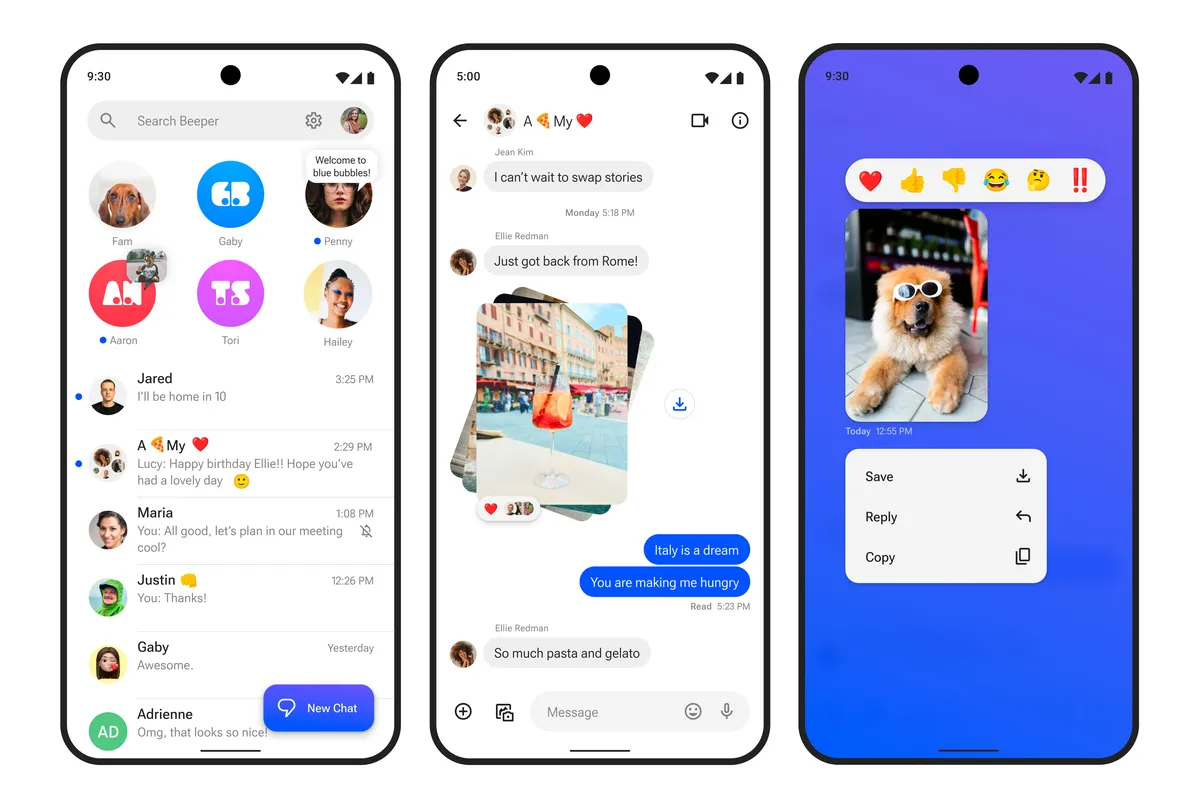


At the time, Beeper Mini said that uninstalling and reinstalling Beeper Mini could serve as a workaround while a fix was developed. As of now, issues with the Beeper Cloud service have been resolved, but some Beeper Mini users are still having connectivity issues.

On Twitter, Beeper’s developers have been complaining about Apple’s continued efforts to block the app, even though Apple made it clear that Beeper Mini was not going to be allowed.

“It’s super annoying that Apple is penalizing their own customers and Android users who just want secure and encrypted chats,” says a message on the Beeper account. “We understand if you choose to uninstall Beeper Mini at this time.”

Beeper Mini launched last week, promising to bring a full iMessage experience to Android users. The app used iMessage reverse engineering to function, registering the phone numbers of Android users with Apple’s own iMessage servers.

Android users were able to have “blue bubbles” in conversations with iMessage users, and all iMessage features worked, such as read receipts, typing indicators, reactions, and more. Beeper Mini essentially worked by making Android devices look like they were Apple devices, and it didn’t take long for Apple to put a stop to it.

Three days after Beeper Mini launched, the app quit working, and Apple confirmed that it shut the app down. Apple said that it blocked Beeper Mini from exploiting fake credentials to gain access to iMessage, as this posed “significant risks to user security and privacy.”

At Apple, we build our products and services with industry-leading privacy and security technologies designed to give users control of their data and keep personal information safe. We took steps to protect our users by blocking techniques that exploit fake credentials in order to gain access to iMessage. These techniques posed significant risks to user security and privacy, including the potential for metadata exposure and enabling unwanted messages, spam, and phishing attacks. We will continue to make updates in the future to protect our users.

In a blog post, Beeper Mini’s development team said that it would work to restore service, while also criticizing Apple for the decision. The team claims that iPhone customers have “less security and privacy than before” because Beeper Mini encrypted messages sent between ‌iPhone‌ and Android devices.

We deeply object to the allegation that Beeper Mini ‘poses significant risks to user security and privacy’. This is completely untrue. As we explained above, the opposite is actually true. Beeper Mini increases the security and privacy of both Android and iPhone customers. To prove this, we published a detailed blog post about how the app keeps data secure and private. Beeper Mini is end-to-end encrypted.

The Beeper Mini team says that it has not spoken with Apple directly. On Monday of this week, Beeper developers did find a way to get the Android app working again, but with some major changes. The updated version of the app requires users to sign in with an Apple ID (not required with the prior version), and it only supports sending and receiving messages through an email address instead of a phone number.

The team behind Beeper Mini is still working to find a way to get phone numbers to work with iMessage again, but Apple has blocked the backdoor that was used to register Android numbers as fake Apple users.

Many of the complaints about security and functionality from the Beeper Mini team will be solved with Rich Communication Services, or RCS, which Apple plans to adopt next year. ‌RCS‌ will be used for chats between ‌iPhone‌ and Android users, and it includes support for high quality video and images, emoji reactions, typing indicators, read receipts, and more.

If Beeper Mini does indeed find a way to get phone numbers to work and to keep Beeper Mini running, it likely will not be long before Apple puts a stop to it again. Apple has made it clear that it does not plan to willingly allow Beeper Mini to use iMessage servers.

Beeper founder Eric Migicovsky said on Twitter that Tim Sweeney and Epic “won this week against Big Tech,” referencing the Epic v. Google trial, and that Beeper Mini has a chance. “We’re not giving up,” he wrote.

This article, "Beeper Mini on Continued Outages: 'It's Super Annoying That Apple is Penalizing Their Own Customers'" first appeared on MacRumors.com

Discuss this article in our forums


You may also be interested in this

Windows 11 users can now …

Image: Microsoft Microsoft promised to make its Phone Link app available for iPhone users (so you can use iMessage from a PC) by mid-May, and it’s May 15th now, so

NFC technology is getting…

Apple Pay uses NFC technology, and it requires you to effectively touch the terminal to make a connection. | Image: The Verge Tap-to-pay services like Apple Pay may soon no

Switchers away from Andro…

The US smartphone market remained tough for manufacturers in the first calendar quarter of 2023, but Apple's market share grew as Android users moved to iOS.iPhone shipments fell but Apple's

Apple Arcade FAQ: ‘Millio…

Macworld Gaming subscription services are all the rage now, but Apple Arcade isn’t quite like Google Stadia or Xbox Game Pass. So if you’ve got questions about it, we’ve got

Apple has to start thinki…

Macworld Welcome to our weekly Apple Breakfast column, which includes all the Apple news you missed last week in a handy bite-sized roundup. We call it Apple Breakfast because we

New Windows 11 Phone Link…

Windows 11 debuted "Phone Link," a feature that allows iPhone owners to view notifications on their Windows computers — but it may pose a significant safety risk.Setting up Phone LinkAnnounced

Reddit plans accessibilit…

Reddit is introducing a number of changes to its iOS app aimed at "improving the accessibility" of moderation tools for the community platform, in what could be a bid to

IDC projects worldwide sm…

Apple Intelligence, which works on iPhone 15 Pro, iPhone 15 Pro Max, and later (see you this fall), unlocks new ways for users to enhance their writing and communicate more
X

A whimsical homage to the days in black and white, celebrating the magic of Mac OS. Dress up your blog with retro, chunky-grade pixellated graphics to evoke some serious computer nostalgia. Supports a custom menu, custom header image, custom background, two footer widget areas, and a full-width page template. I updated Stuart Brown's 2011 masterpiece to meet the needs of the times, made it responsive , got dark mode, custom search widget and more.You can download it from tigaman.com, where you can also find more useful code snippets and plugins to get even more out of wordpress.